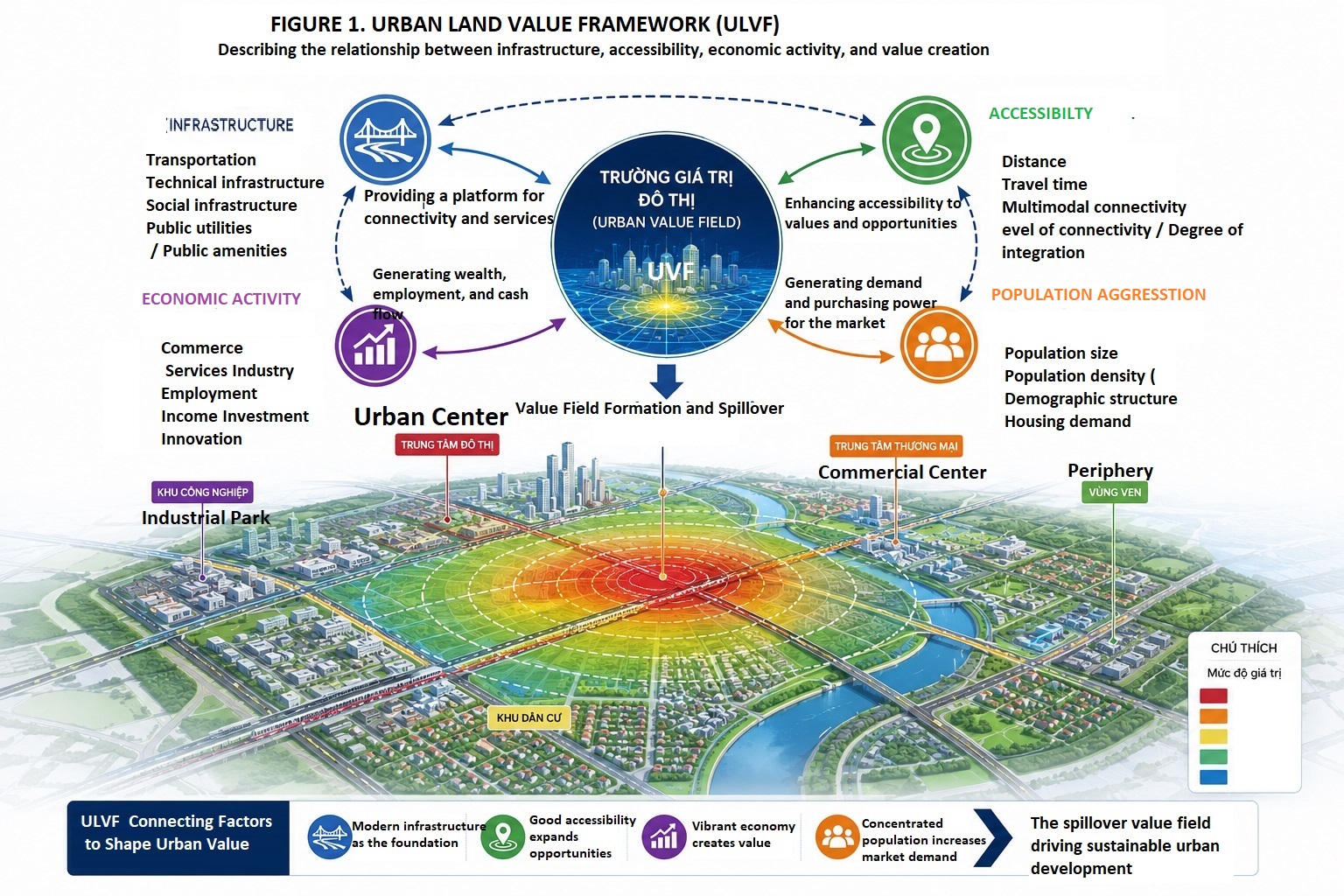
 Figure 1. The Urban Land Value Field (ULVF) model illustrates the relationships among infrastructure, accessibility, economic activities, and the formation of urban value fields.
Figure 1. The Urban Land Value Field (ULVF) model illustrates the relationships among infrastructure, accessibility, economic activities, and the formation of urban value fields.
Figure 1. The Urban Land Value Field (ULVF) model illustrates the relationships among infrastructure, accessibility, economic activities, and the formation of urban value fields.
The Urban Value Model views the city as a dynamic system in which transportation infrastructure, population density, economic activities, and accessibility continuously interact to generate different value fields across urban space.
Through this model, phenomena that were previously observed qualitatively can be represented through variables, indicators, and quantitative relationships, providing a scientific foundation for urban analysis.
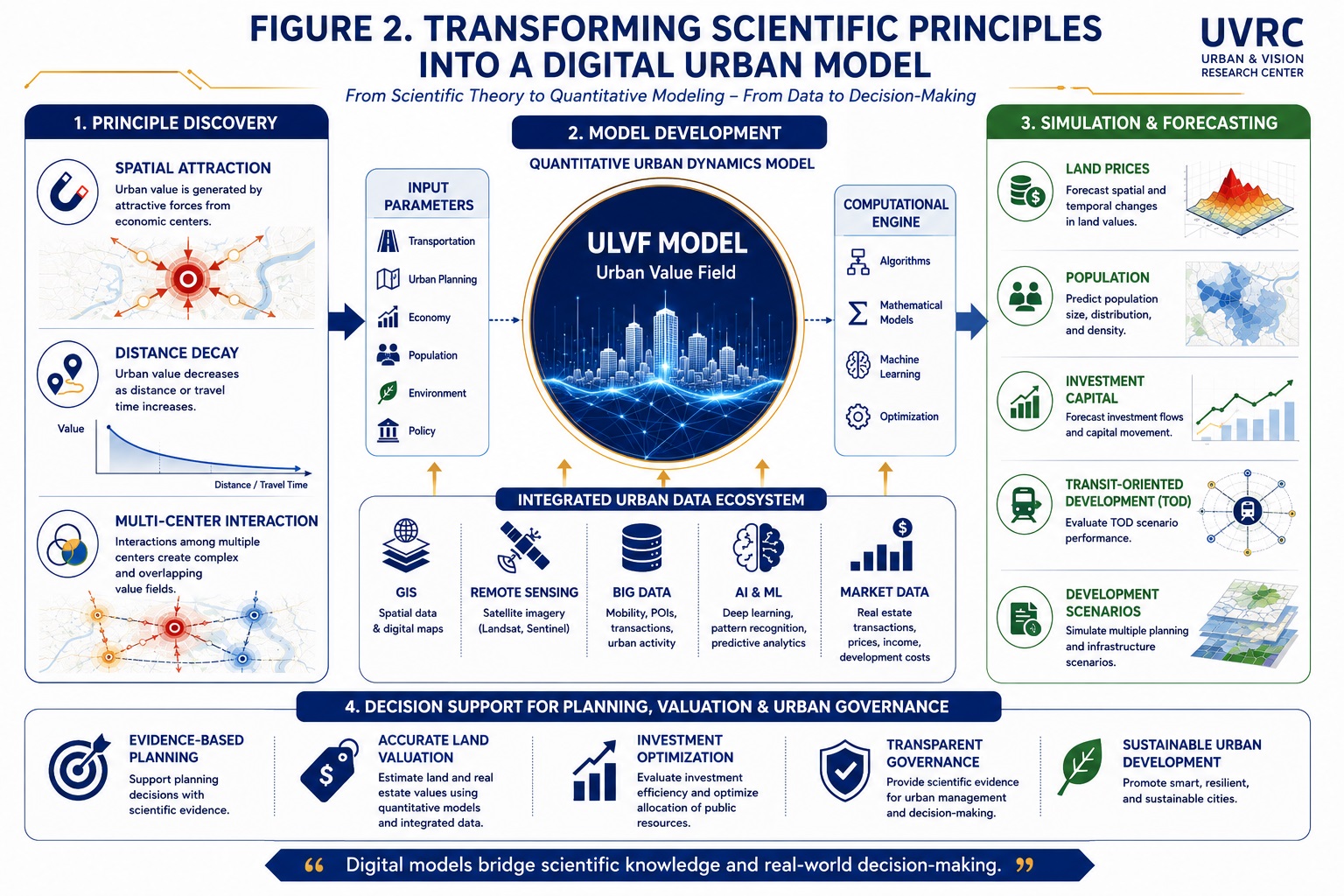 Figure 2. Transforming urban laws into digital models for analysis, simulation, and computation.
Building upon the foundations of ULVF, UVFE, and UVF-Planning, UVRC develops digital modeling frameworks that allow real-world data to be integrated into the system for evaluating the impacts of infrastructure projects, emerging development centers, and socio-economic transformations.
Geographic Information Systems (GIS), remote sensing, market data, artificial intelligence, and spatial analytical algorithms are integrated to create an urban simulation environment capable of continuous updating and learning.
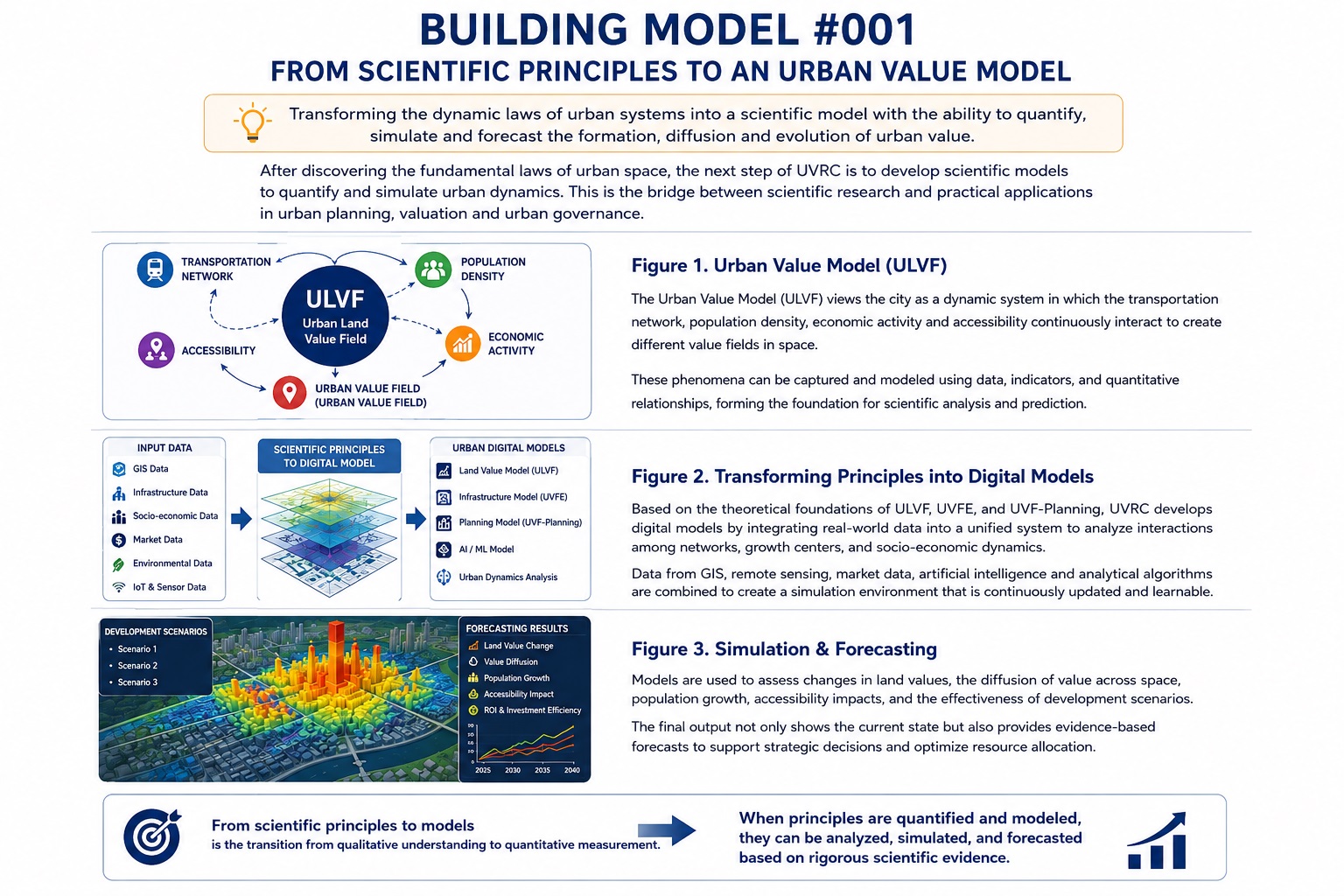 Figure 3. Digital models enable the simulation of development scenarios and the forecasting of future urban trends.
These models are applied to assess land value changes, the migration of value poles, population concentration patterns, infrastructure spillover effects, and a wide range of alternative urban development scenarios.
The ultimate objective is not merely to describe existing conditions but to establish decision-support tools grounded in data and quantitative science. This provides the foundation for urban forecasting, investment evaluation, and the optimization of spatial development strategies.
The transition from laws to models represents the transition from understanding to measurement. Once urban laws are quantified and transformed into scientific models, urban systems can be analyzed, simulated, and forecasted on the basis of objective scientific evidence.
← Back to Home